There is a specific kind of exhaustion that comes with opening your laptop these days. It isn’t just the “doomscrolling” we’ve grown accustomed to; it’s a deeper, more cellular fatigue. As the names swirl and the details emerge from the latest release of the Epstein files, that fatigue has turned into a heavy, suffocating blanket. As a journalist who moved from the vibrant, complex streets of Hyderabad to the quiet suburbs of Brisbane two years ago, I find myself constantly recalibrating my lens. From this new vantage point, the files feel less like a pursuit of justice and more like a deliberate attempt to paralyse us.
It feels like a “whole thing” designed to make us bow our heads in defeat.
The revelation of these files does more than just expose individual depravity; it codifies the terrifying suspicion many of us have carried for years: that we are living in two entirely different realities. There is the world for the ultra-rich—a frictionless, lawless playground where the normal boundaries of morality and consequence simply do not exist. Then there is the world for the rest of us, and deeper still, the world of the “forgotten invisible”—those who are treated not as humans, but as pawns, currency, and collateral damage in the games of the powerful.
The Paralysis of the Polycrisis
Living in this “polycrisis” world, where climate anxiety, economic instability, and systemic corruption intersect, is objectively hard. Bearing witness to the exploitation of the vulnerable is a form of secondary trauma. When we look at the scale of the Epstein network, the natural instinct is to switch off. We want to close the tabs and retreat into the manageable corners of our lives because staring directly into the sun of such immense, protected evil feels like it will burn our eyes out.
But we must also look at the light. These files didn’t just fall from the sky; they were pulled into the public eye by survivors, lawyers, and advocates who refused to let these names stay buried in the vaults of the powerful. Their persistence is a lighthouse, reminding us that even when the systems are rigged, the truth has a way of clawing its own way to the surface.
A Selective Vision
Yet, we cannot afford to have selective vision. The same “two worlds” logic that allowed an island of depravity to exist is the same logic that allows us to scroll past the visceral, heart-shattering images from Gaza and Sudan. When we talk about the “invisible poor” becoming pawns, we must talk about the children in Gaza pulling life from the rubble, and the families in Sudan fleeing a violence that the world has largely decided is too “complicated” to care about.
This global indifference is a mirror. Whether it is the exploitation of bodies in a private mansion or the systematic erasure of lives in a conflict zone, the root is the same: the belief that some lives are collateral, while others are “consequences.”
As I watch from Australia, I see the fractures in my home country deepening. The growing tide of hate against minorities in India is a rhetoric that seeks to turn neighbor against neighbor to keep the focus off the structures that actually govern our lives. This is the oldest trick in the capitalist playbook: keep us divided by religion, by caste, or by borders, so we don’t look up and see who is actually holding the strings.
The Antidote: Rebuilding the Micro
The Epstein files aren’t just a scandal; they are a blueprint of how the global elite and unregulated capitalism operate. They operate on the assumption that our empathy has boundaries. They bet on the fact that we will care about a billionaire’s list but look away from “brown” or “black” lives lost in internal fractures or civil wars.
The antidote is to realize that social justice is borderless. To ensure this never happens again, we have to move away from hyper-individualism and back toward the street. Rebuilding trust is a radical act in a world designed to keep us suspicious of one another.
- Community Care: Creating networks where people are seen and valued, making it harder for anyone to become a “forgotten pawn.”
- Radical Accountability: Holding the line in our own circles and demanding transparency in our local institutions.
- Healing as Resistance: Choosing to love and find joy despite the darkness is not “checking out”—it is refueling for the fight.Holding on to the Light
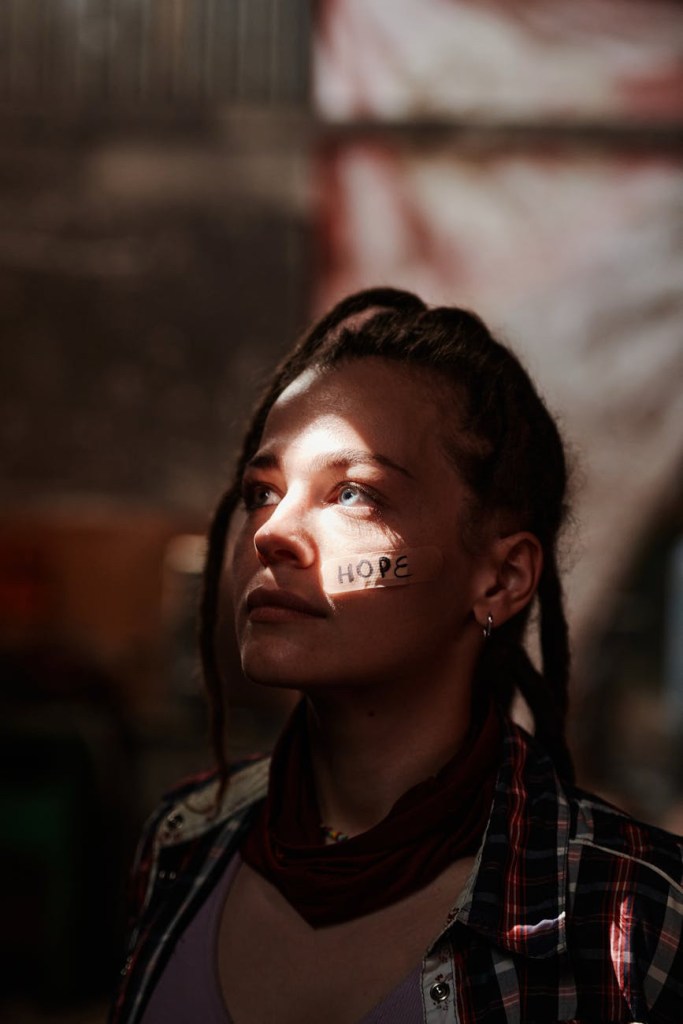
We must hold on to hope—not a naive hope, but a gritty, determined one that insists on a different future. We hold on because the alternative is exactly what the architects of these “two worlds” want. They want us cynical. They want us tired.
Justice and accountability may move at a glacial pace, but they are worth the pursuit. We focus on the community. We bridge the gap between “us” and the “invisible” until there is no gap left. The files are a map of where we’ve been and the darkness that was allowed to fester. Our job now is to draw a different map—one where the light reaches every corner, and where no one is ever considered a pawn again.


 Priya writes
Leave a reply to D. NAGARJUNA Cancel reply