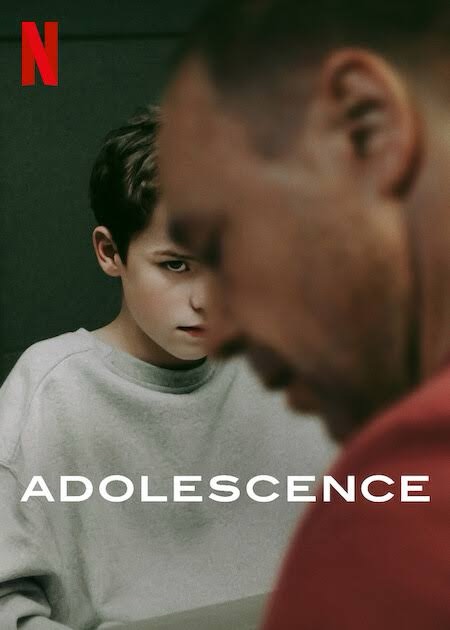
I recently finished watching an exceptional Netflix drama (4 episodes) called Adolescence. The show shook me & left me pondering about so many questions about parenting, society and raising children in this day and age of heightened digital media exposure. From podcasts to interactive video games to social media to access to internet, never has a generation had this amount of exposure all at once than Gen Z, Gen Alpha and the Gen Beta.
Thinking back to my own tween and teenage years, I grew up right at the cusp of the internet revolution—when it was just beginning to trickle into our lives. Yahoo chat rooms were the ultimate online experience, and nothing felt cooler than talking to strangers from across the world, even if it meant sneaking in late-night sessions while hoping no one picked up the landline. At 39, I can now admit that a lot of this went under my parents’ radar. Despite the painfully slow dial-up connection, the thrill of logging onto the world wide web was unmatched—hearing that iconic modem sound meant stepping into a whole new universe of possibilities.
Downloading music on Napster or Limewire (hoping it wasn’t a virus), carefully curating playlists to burn onto CDs, and discovering a world of information that had previously been out of reach were all part of my teenage experience. The internet back then felt like an unexplored frontier, offering just enough freedom to feel exciting but not yet overwhelming. Unlike today’s hyperconnected world, where everything is instant and constant, there was an undeniable charm in waiting—waiting for a song to download, for a page to load, or for a friend to reply on MSN Messenger. It was a time of digital discovery, but in a way that still felt simpler, slower, and maybe even a little more magical.
And then there were internet centres, where one could go, to browse the internet, avoiding adult supervision. Looking back, i realise how crazy risky it potentially was to have done these things and I know for a fact that the lack of conversation around exposure to porn etc didn’t help. From typing ASL sheepishly into yahoo chat rooms (yes, the unmoderated unfiltered rooms) to being bold enough to talk to complete strangers on Orkut (by which time i was 18 and definitely a bit wiser), our teenage lives on internet was no safer but our parents and we were experiencing it all together.
Raising children today is a balancing act between embracing technology and setting healthy boundaries. Unlike previous generations, we millennial parents are raising digital natives—kids who are growing up with instant access to information, social media, and AI-powered tools like ChatGPT. While these advancements open doors to learning and creativity, they also come with risks like screen addiction, misinformation, and online safety concerns. The challenge isn’t just keeping up with new apps and trends but teaching our children how to critically evaluate what they consume, engage responsibly, and develop a healthy relationship with technology.
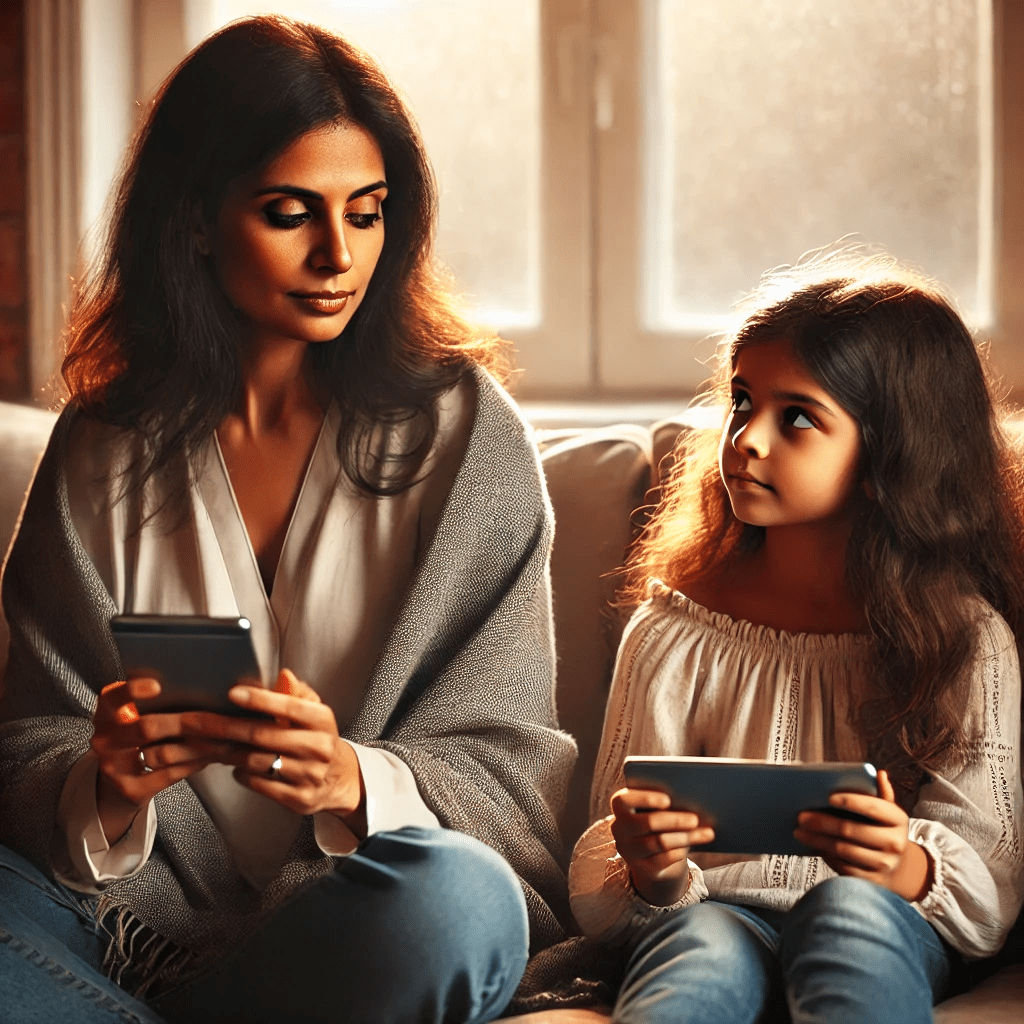
At the same time, parenting in the digital age isn’t just about setting screen time limits or monitoring content—it’s about fostering open conversations. Our kids need guidance on navigating the internet with confidence and caution, whether it’s understanding digital footprints, dealing with online peer pressure, or recognizing credible sources. We have to strike that delicate balance between allowing them the freedom to explore and ensuring they develop strong values, resilience, and emotional intelligence in an increasingly connected world. It’s not easy, but with the right mix of awareness, adaptability, and good old-fashioned parenting instincts, we can raise kids who are not just tech-savvy but also thoughtful and responsible digital citizens.
As a mom of a 9-year-old, I’ve come to realize that navigating technology with kids is a constant balancing act. It’s not just about setting screen time limits—it’s about age-appropriate education, helping them understand both the benefits and dangers of technology. My daughter, with her endless curiosity (and sass!), often challenges these limits, asking why adults aren’t held to the same standards. That question made me more mindful of my own habits—how often I reach for my phone, how I explain remote work to her, and how I model a healthy relationship with screens.
The reality is, our generation is battling “brain rot” just as much as our kids, and the fact that it’s now a commonly used phrase says a lot. As someone working in media, I see firsthand how technology shapes our daily lives—for better and for worse. So, these conversations with my daughter aren’t just about saying “no” to screen time; they’re about helping her build awareness of how digital consumption affects her brain (and mine!). It’s about showing her that tech is a powerful tool but one that requires balance, mindfulness, and sometimes, the discipline to step away—something we as parents are also still learning.
And this show made me realize that in the not-too-distant future, we will have to face the harder, tougher conversations—about digital harm, cyberbullying, porn, and, unfortunately, misogyny (though that may be a lifelong conversation…). And these aren’t just personal conversations; they are ones we need to have collectively—at home, in schools, within our communities, and even at a policy level. In Australia, the government has banned social media for under-16s. For once, I am grateful for this, because how else are we to keep our children safe in a world where misogynist billionaires have unchecked access to media and “podcast bros” are actively poisoning young minds?
But regulation alone isn’t enough. As parents, educators, and a society, we need to equip our kids with the tools to navigate this digital world critically and confidently. We need to raise children who can recognize manipulation, question harmful narratives, and understand the difference between free speech and toxic influence. Because the truth is, we can’t shield them from everything, but we can prepare them—by fostering open dialogue, encouraging media literacy, and, most importantly, leading by example in how we consume and engage with the online world ourselves.

 Priya writes
Leave a comment